Drag photos
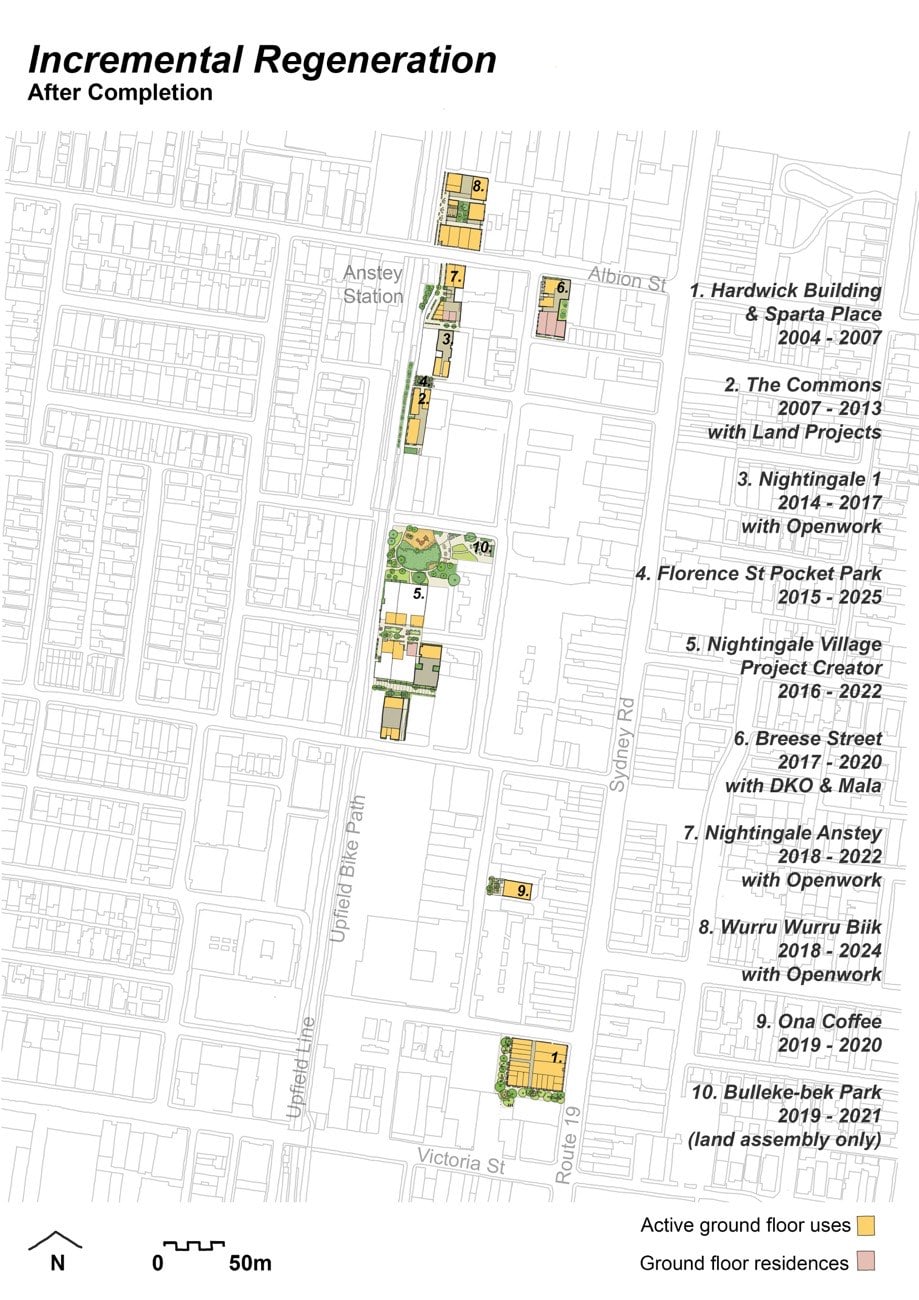
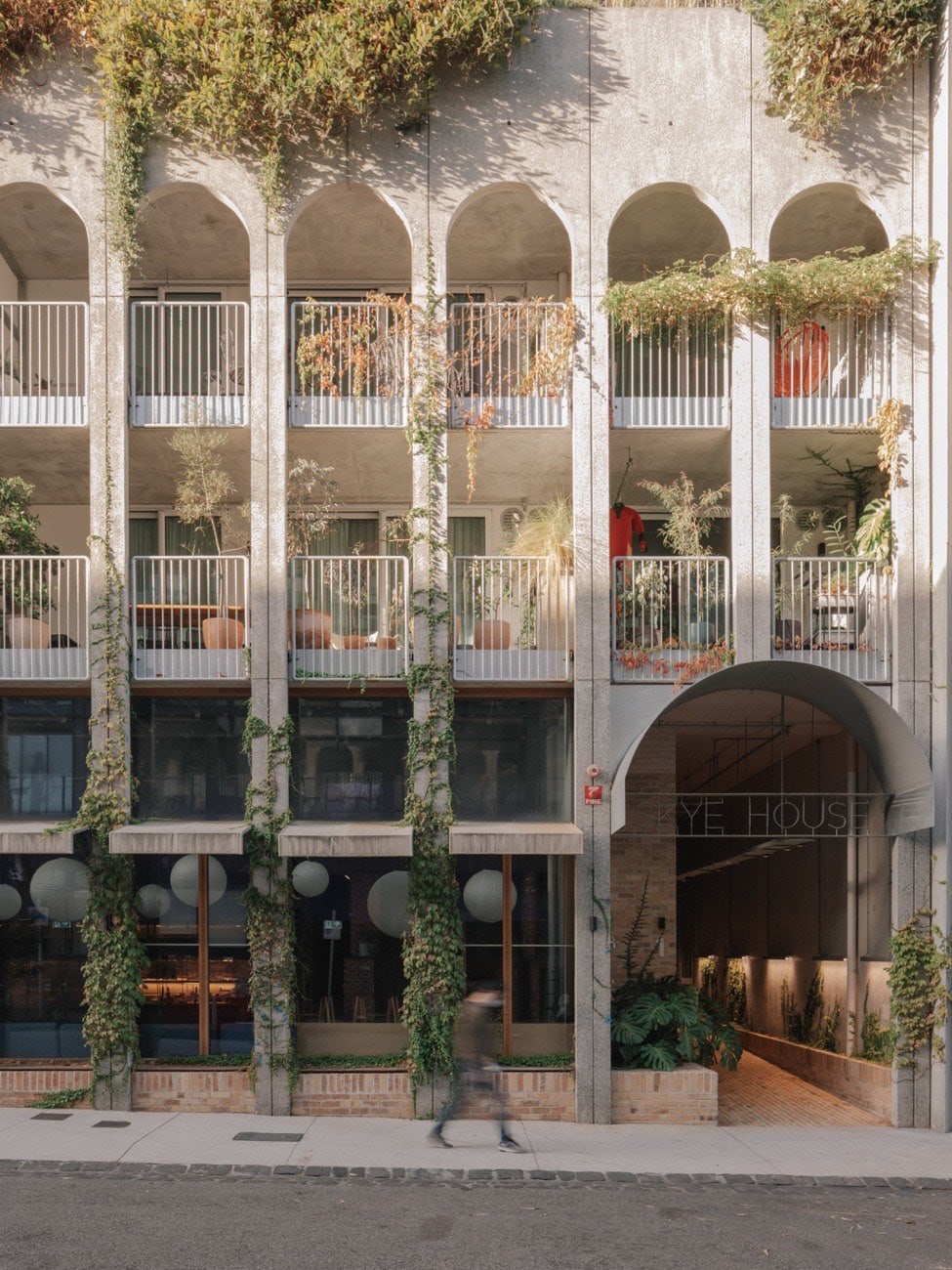
The incremental regeneration of the Anstey Precinct is a 20 year story that unfolds over nearly a kilometre of forgotten industrial land between Sydney Road and the Upfield rail corridor. While the driver for this change is the rapid growth of multi-residential apartment buildings, this development logic is supported and enriched by an urban design strategy to weave these buildings together, using the common threads of activation, landscape and a patchwork of generous urban greening opportunities.
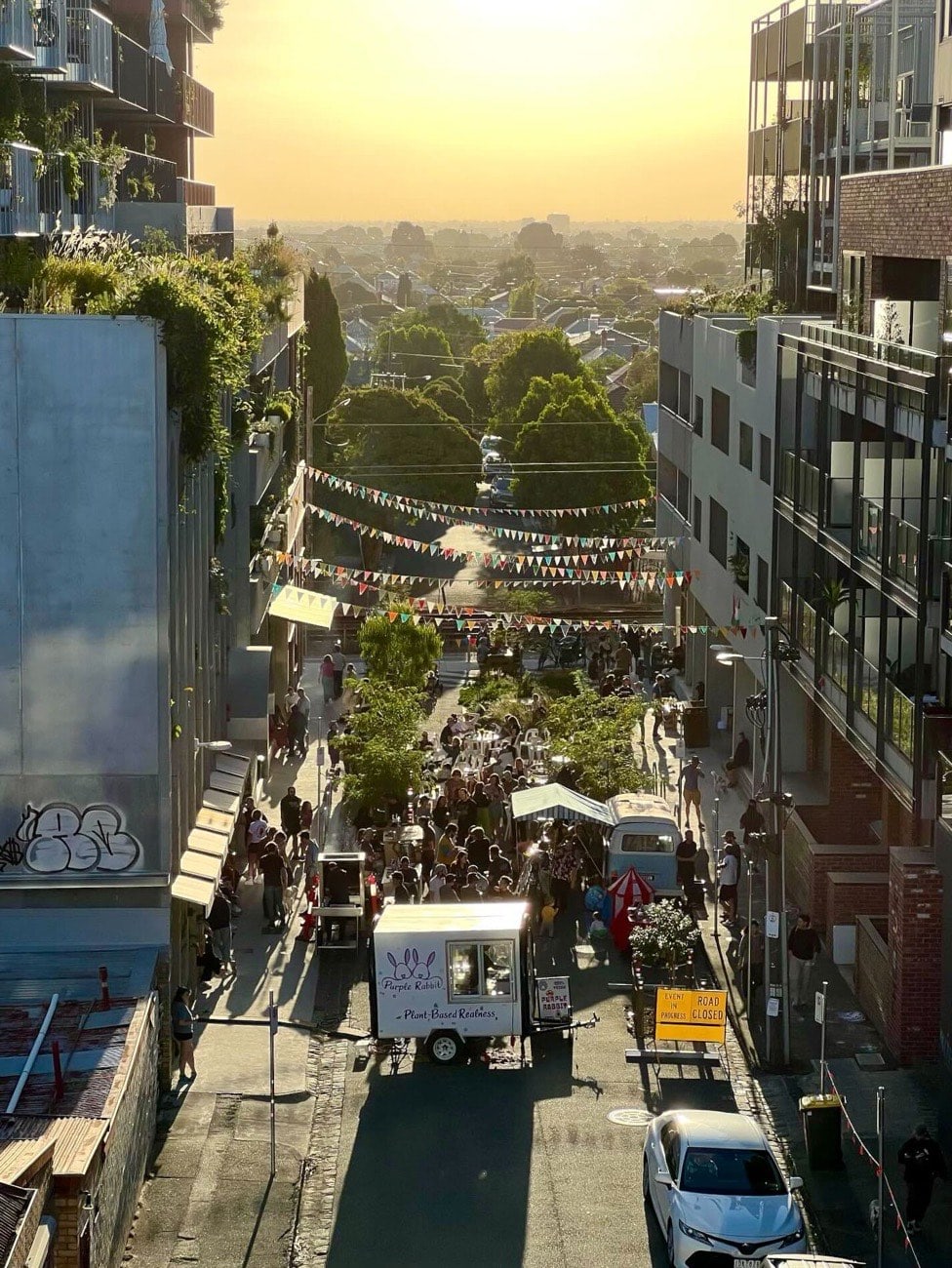
These public realm upgrades have become a critical catalyst for change for the broader precinct, which began with the greening and activation of key spaces like Sparta Place, Tripovich Street and Ballarat Street.
This long-term plan started in 2007 with the rezoning of the Anstey Urban Village precinct to support the delivery of the Brunswick Structure Plan at a granular level. This work undertaken by Breathe ran alongside the development of the Nightingale housing model, which converted an extractive development process into projects that prioritised urban generosity, sustainability and affordability.
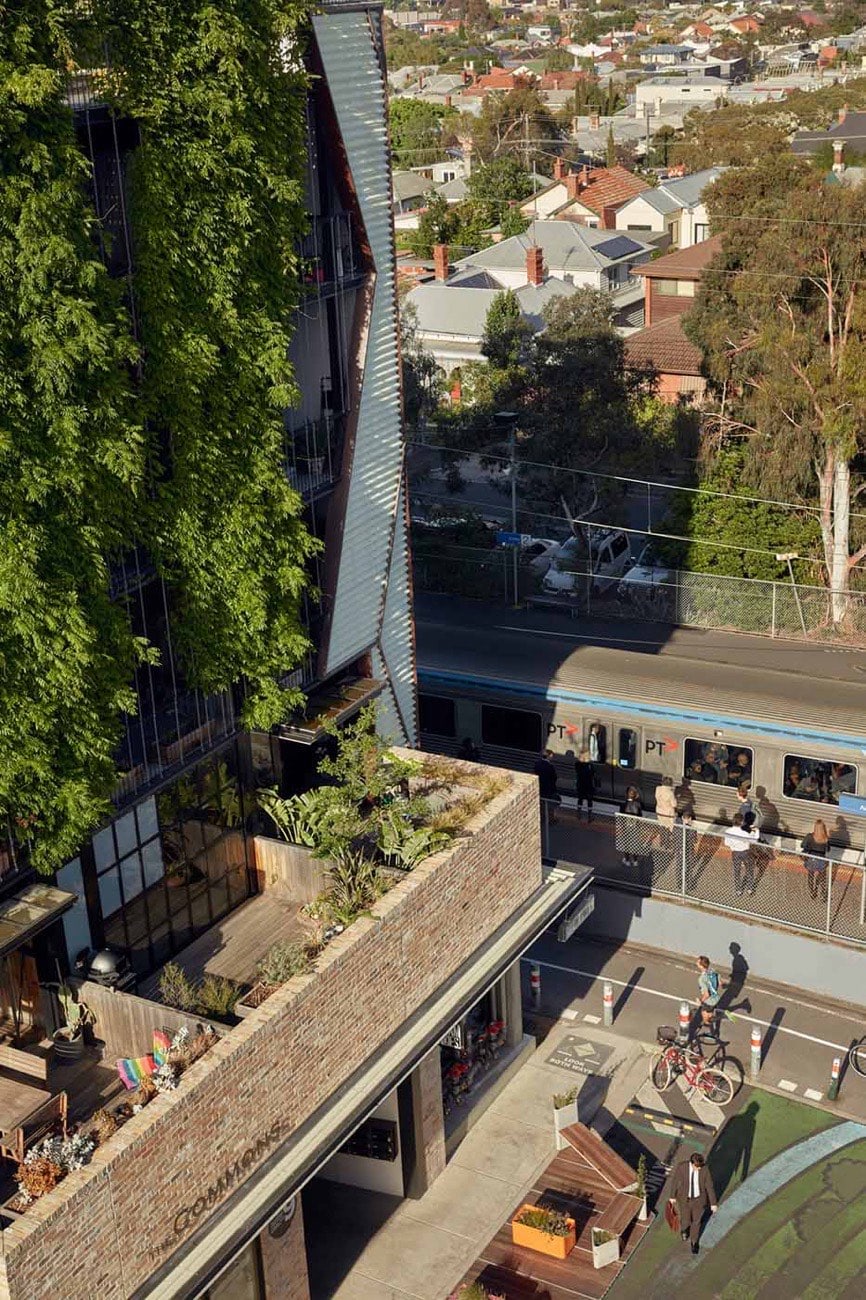
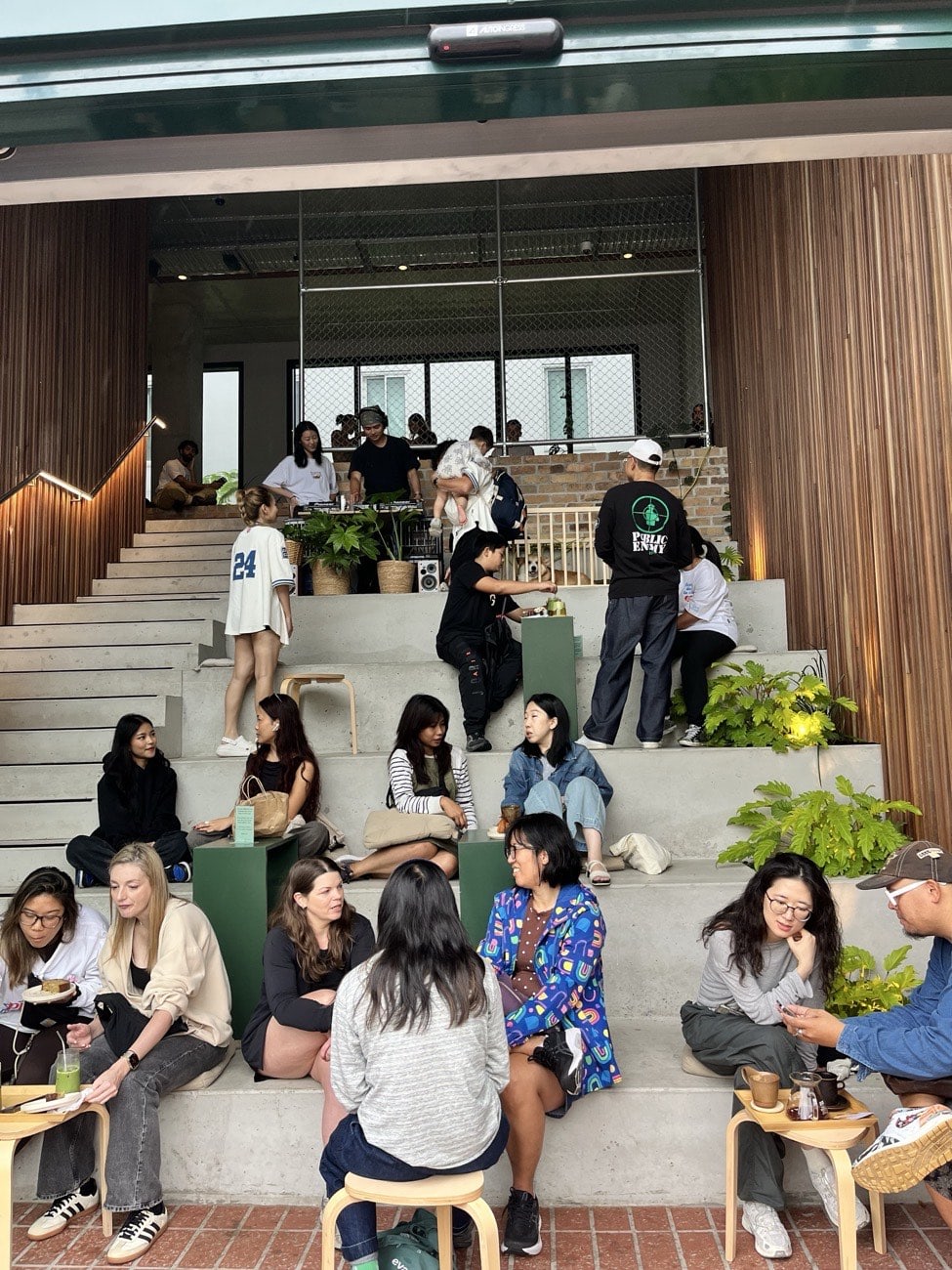
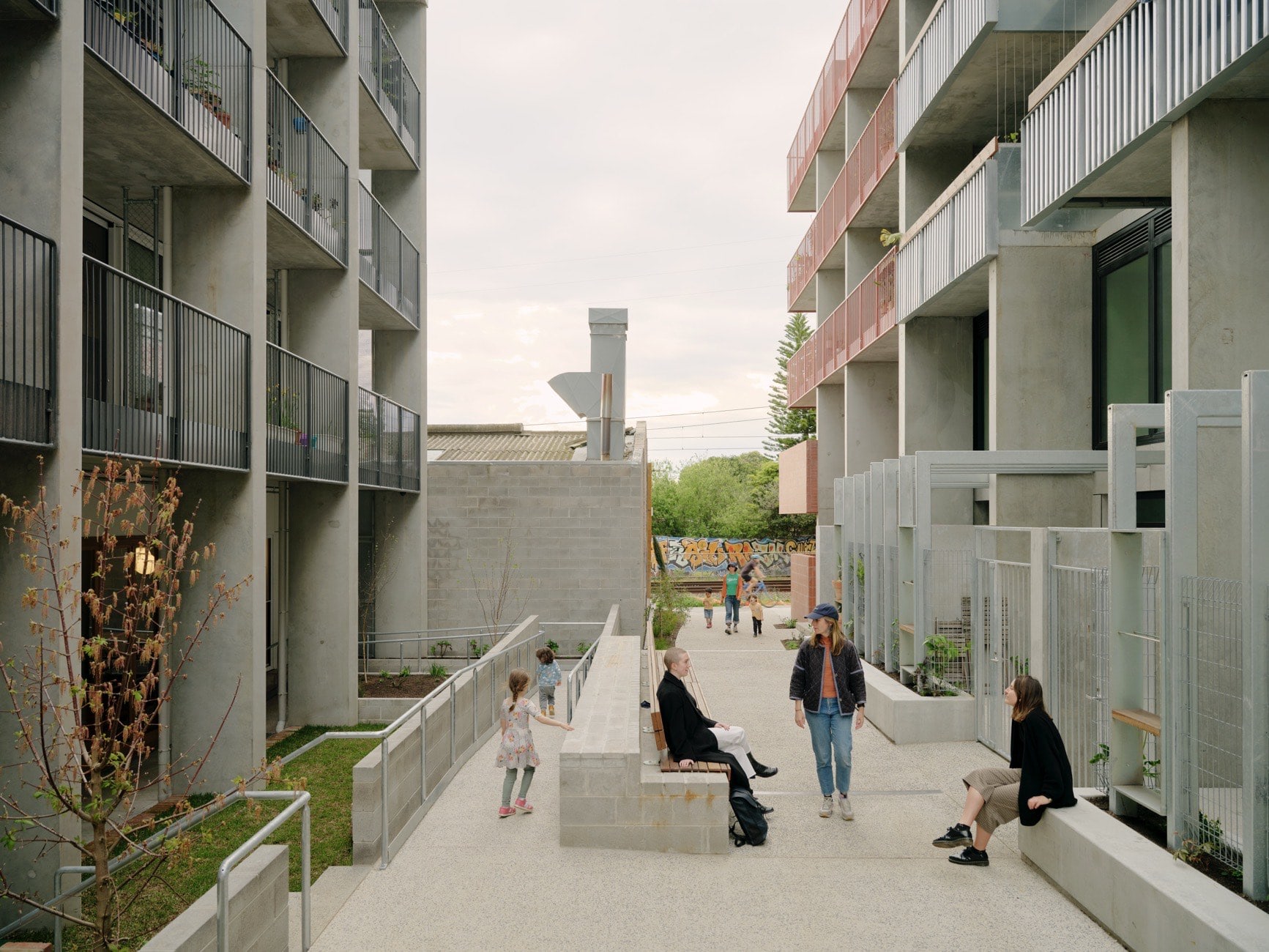
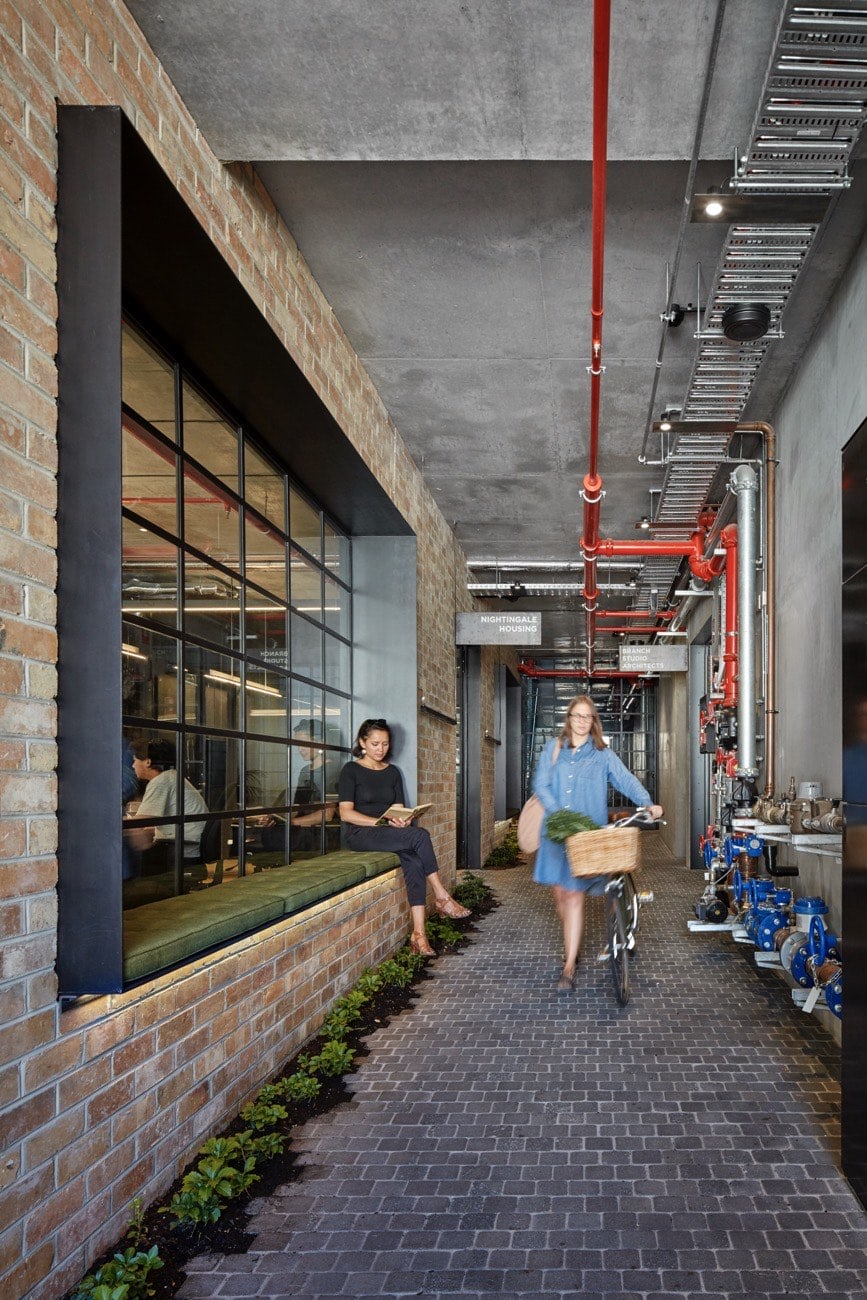
The first Nightingale project to be completed was The Commons, which fostered community with shared spaces, a civic laneway, and an inclusive approach to urban generosity. The decision to remove car parking was a sustainability objective, focusing on active transport, while also activating the street with micro-tenancies instead of dead spaces like roller doors and crossovers. This vision was reinforced through advocacy efforts, including successfully persuading a neighbouring developer to reroute car access, preventing a disruptive roller door from dominating the Florence Street frontage.
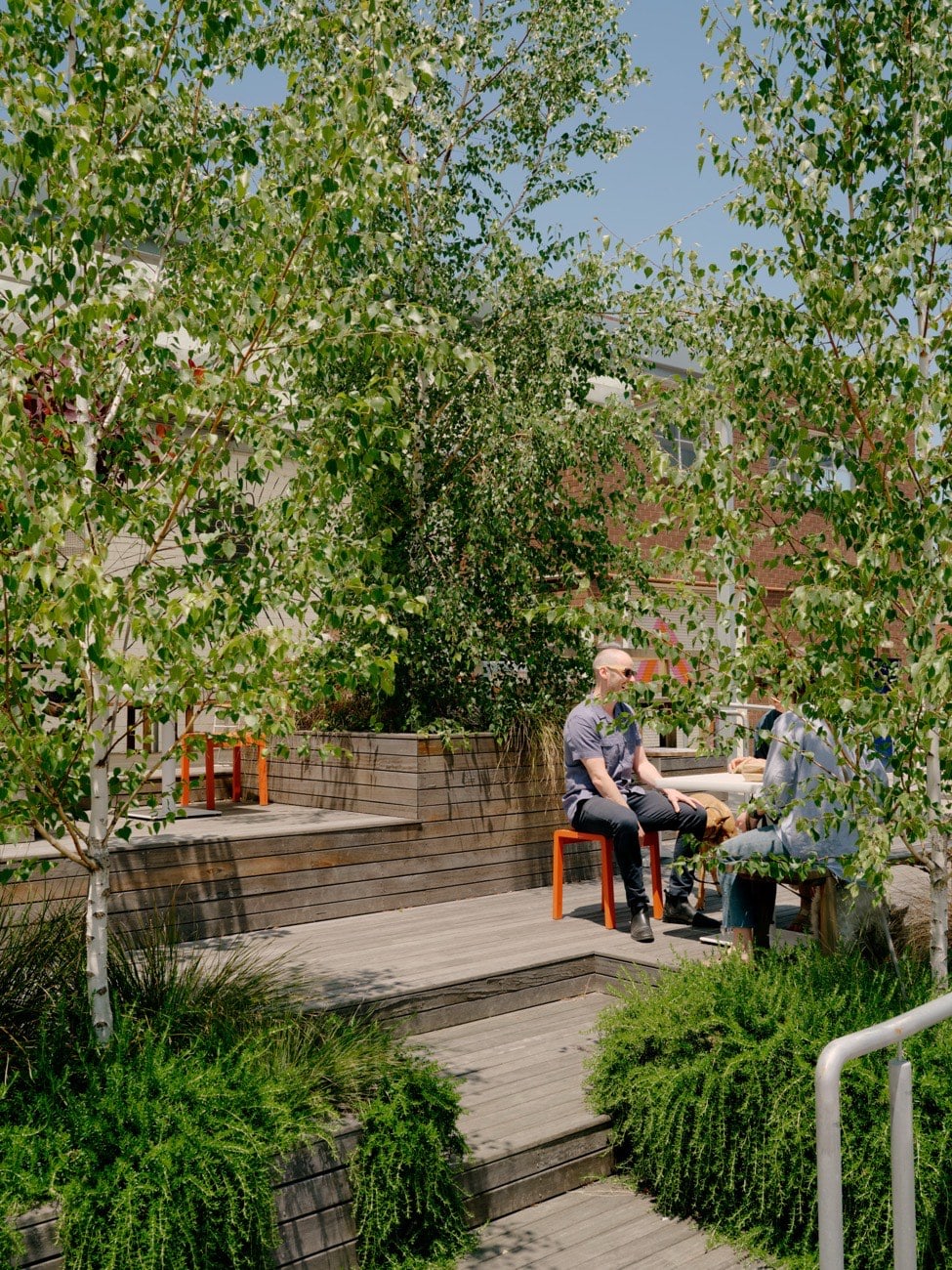
To further reimagine Florence Street, the Breathe team created compelling renders re-imagining the west end of Florence Street into a verdant pocket park - removing the desolate asphalt and replacing it with trees and grass, a street for people. Breathe then mobilised community support, gathering over 400 signatures in one week, and successfully petitioning the council to convert the street into public parkland upon completion of the adjoining building construction.
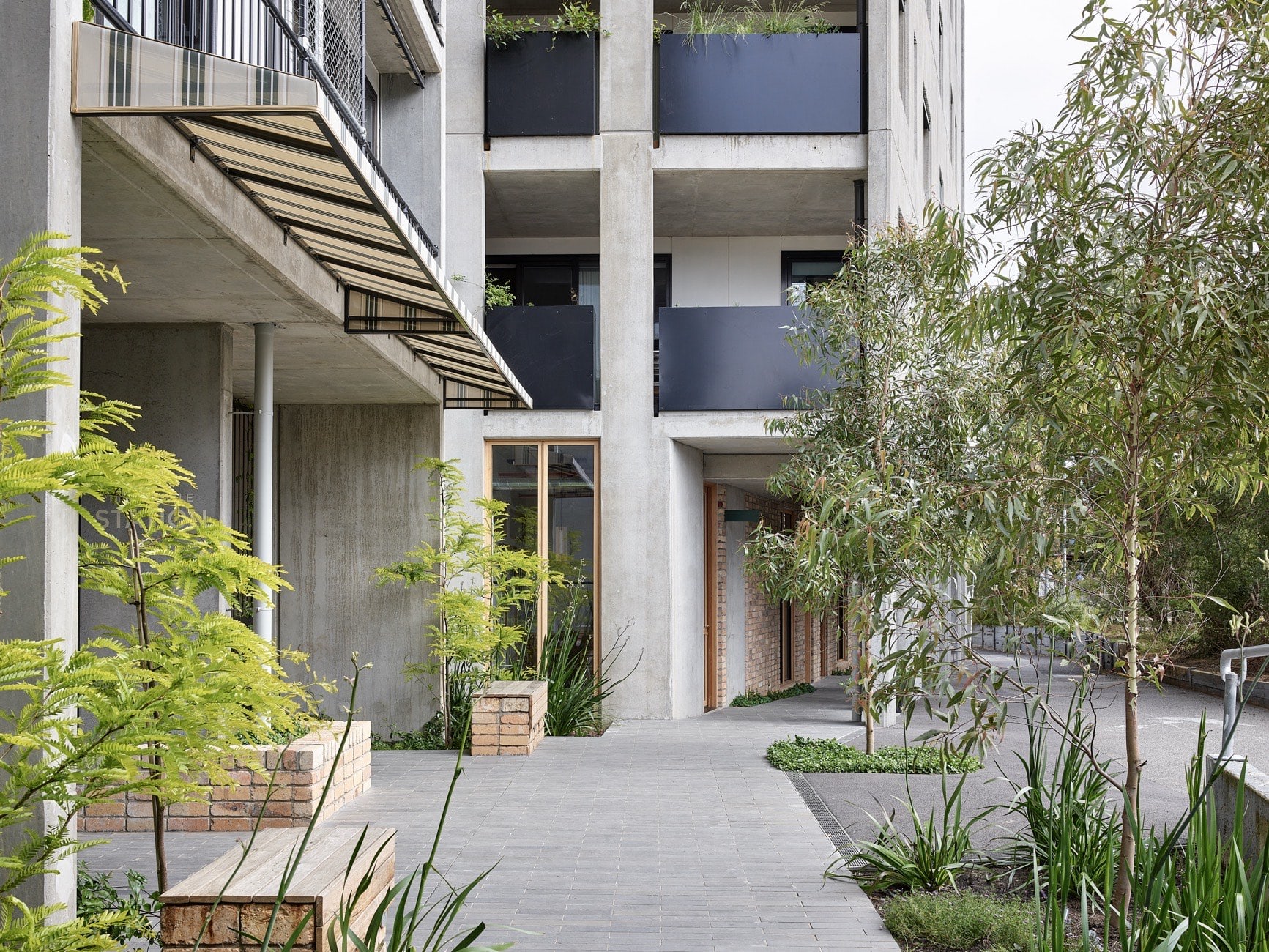
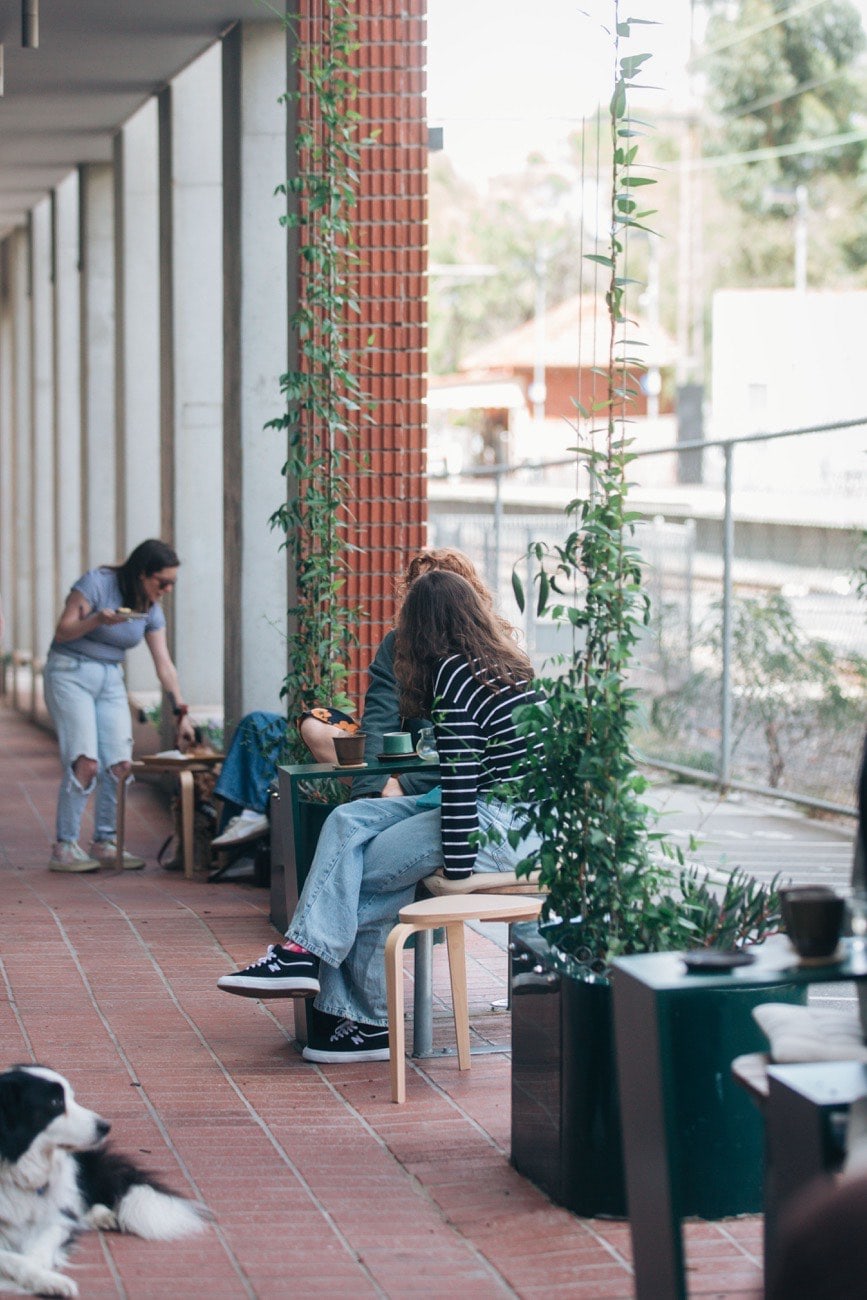
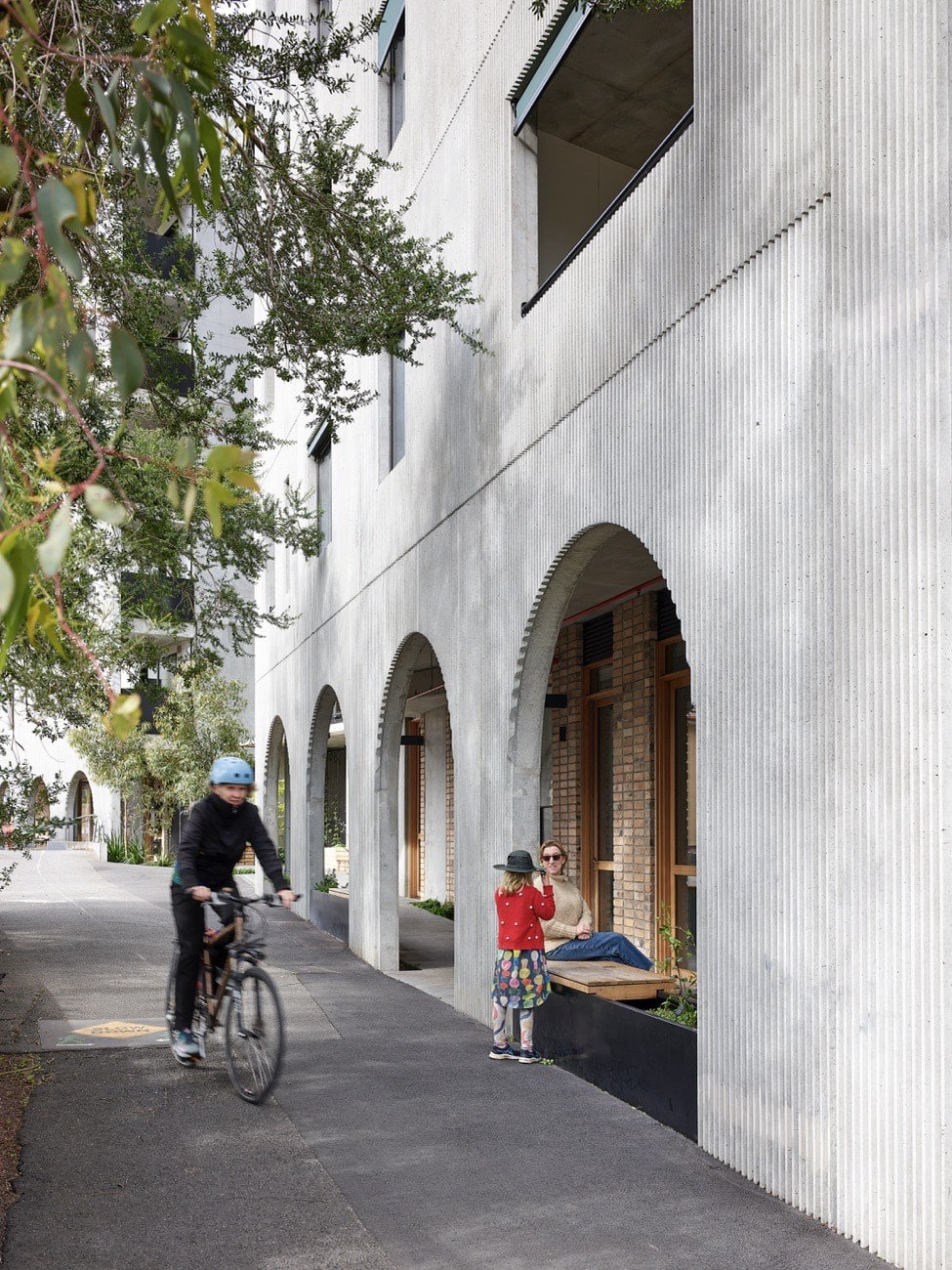
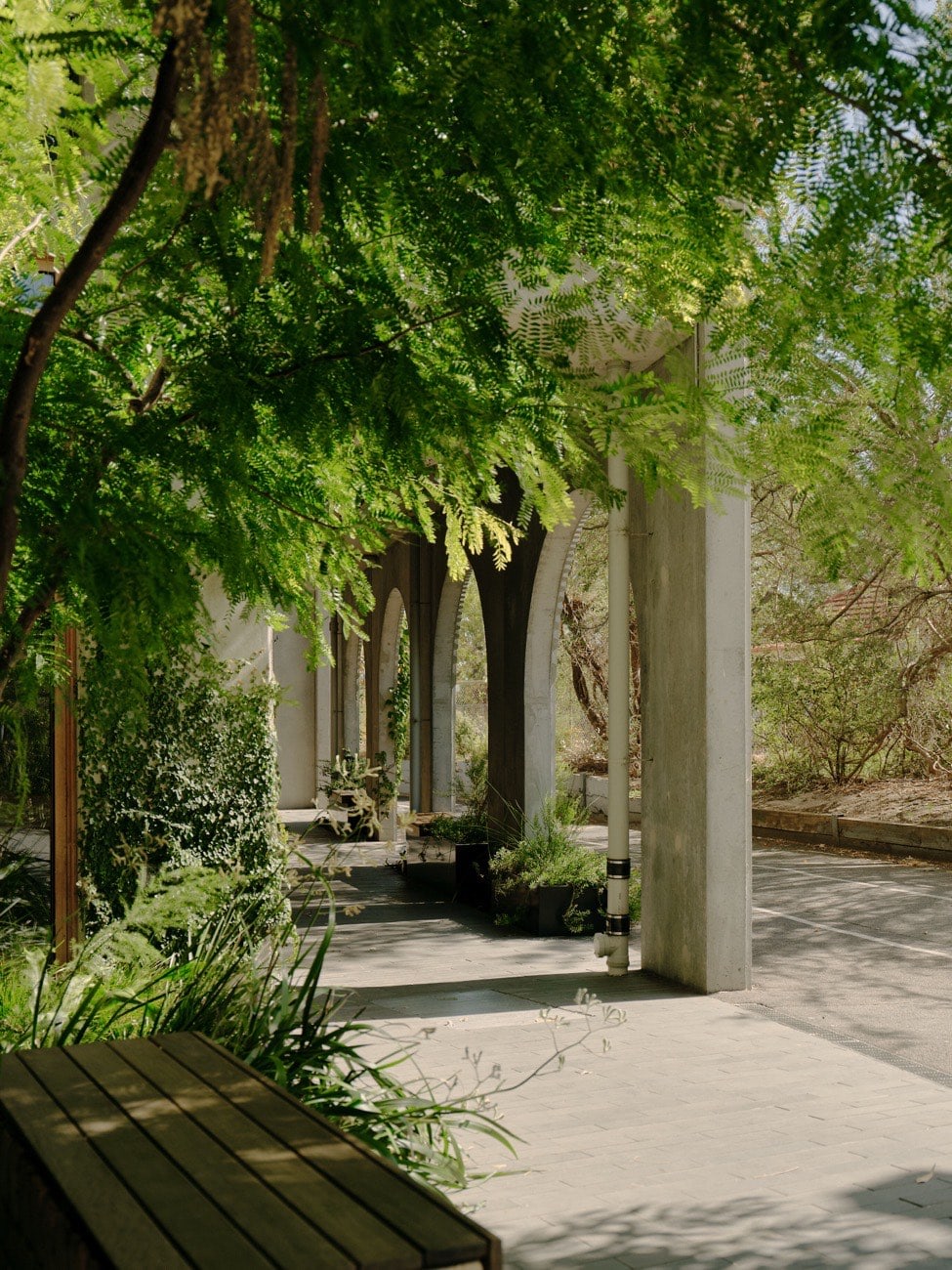
Nightingale Anstey reconfigured the built form to provide a setback from the station, creating much-needed breathing space and a public forecourt with seating. A new pedestrian colonnade offered protection from wind and rain while ensuring safe passage for cyclists and pedestrians. By removing an expensive underground car park and replacing it with on-grade bicycle parking for 155 bikes, Breathe proved that public generosity and financial viability could go hand in hand.
We acknowledge the Wurundjeri people of the Kulin Nation, the Traditional Custodians of the land commonly known as Brunswick. We recognise their continuing connection to land, waters and culture.
The incremental regeneration of the Anstey Precinct is a 20 year story that unfolds over nearly a kilometre of forgotten industrial land between Sydney Road and the Upfield rail corridor. While the driver for this change is the rapid growth of multi-residential apartment buildings, this development logic is supported and enriched by an urban design strategy to weave these buildings together, using the common threads of activation, landscape and a patchwork of generous urban greening opportunities.
These public realm upgrades have become a critical catalyst for change for the broader precinct, which began with the greening and activation of key spaces like Sparta Place, Tripovich Street and Ballarat Street.
This long-term plan started in 2007 with the rezoning of the Anstey Urban Village precinct to support the delivery of the Brunswick Structure Plan at a granular level. This work undertaken by Breathe ran alongside the development of the Nightingale housing model, which converted an extractive development process into projects that prioritised urban generosity, sustainability and affordability.
The first Nightingale project to be completed was The Commons, which fostered community with shared spaces, a civic laneway, and an inclusive approach to urban generosity. The decision to remove car parking was a sustainability objective, focusing on active transport, while also activating the street with micro-tenancies instead of dead spaces like roller doors and crossovers. This vision was reinforced through advocacy efforts, including successfully persuading a neighbouring developer to reroute car access, preventing a disruptive roller door from dominating the Florence Street frontage.
To further reimagine Florence Street, the Breathe team created compelling renders re-imagining the west end of Florence Street into a verdant pocket park - removing the desolate asphalt and replacing it with trees and grass, a street for people. Breathe then mobilised community support, gathering over 400 signatures in one week, and successfully petitioning the council to convert the street into public parkland upon completion of the adjoining building construction.
Nightingale Anstey reconfigured the built form to provide a setback from the station, creating much-needed breathing space and a public forecourt with seating. A new pedestrian colonnade offered protection from wind and rain while ensuring safe passage for cyclists and pedestrians. By removing an expensive underground car park and replacing it with on-grade bicycle parking for 155 bikes, Breathe proved that public generosity and financial viability could go hand in hand.
We acknowledge the Wurundjeri people of the Kulin Nation, the Traditional Custodians of the land commonly known as Brunswick. We recognise their continuing connection to land, waters and culture.
Always was, always will be Aboriginal land. Breathe acknowledges the Wurundjeri people of the Kulin Nation, the Traditional Custodians of the land upon which Breathe stands. We pay our respects to their Elders, past and present.


